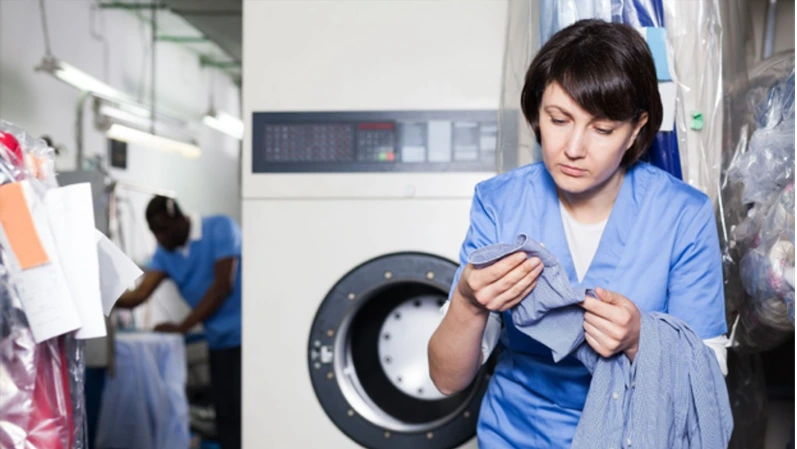
Ever wondered why a laundry service sometimes refuses certain items even though they fit in a washing machine at home?
Sending clothes to a laundry service saves time, but not everything in your home belongs in a commercial washer. Some items pose safety risks, damage equipment, or contaminate other loads, which is why laundromats set clear boundaries on what they can accept. Knowing these limits ahead of time helps protect your clothing, the machines, and everyone else’s laundry.
Items That Should Never Go in a Laundry Service
Commercial laundry environments handle large volumes of clothing every day. To keep machines running properly and loads sanitary, certain items are off-limits, even in a wash and fold laundry service.
Heavily Soiled or Hazardous Items
Clothing saturated with oil, grease, fuel, paint, solvents, or chemicals is a major concern. These substances do not rinse out like food stains or dirt. Instead, they can spread through wash water, cling to drum surfaces, and create lingering odors or residue that transfers to other customers’ clothes. In some cases, flammable residues also introduce safety risks during washing or drying.
Delicate and Specialty Items
Silk, lace, beaded garments, vintage clothing, and structured pieces often require controlled temperatures and gentle handling. Commercial machines used for self service laundry and bulk processing are designed for durability and speed, not specialized care. Items like these are better suited for dry cleaning or specialty cleaners that understand fabric behavior and construction.
Items That Can Damage the Machine or Other Laundry
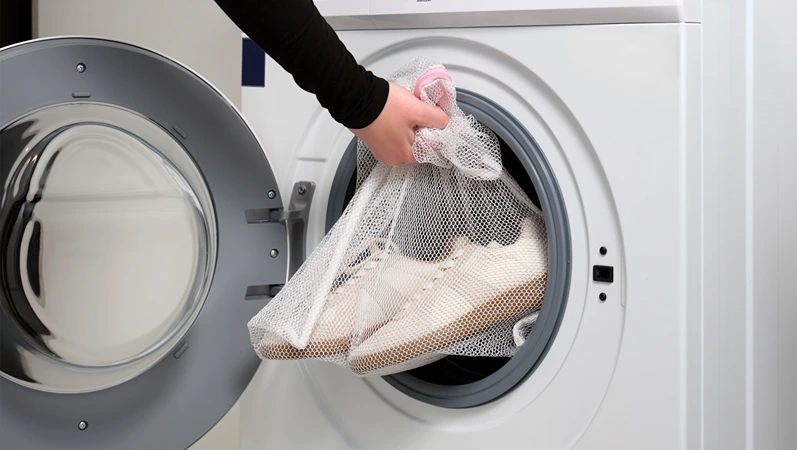
Anything with excessive metal, loose hardware, sharp edges, or internal components can cause harm. Shoes with rigid soles, heavy backpacks, rubber mats, and items with glued parts may break apart mid-cycle. Once that happens, debris can clog drains, damage drums, or scratch machine interiors, affecting every load that follows.
Why Laundry Service Restricts Certain Items
Laundry rules exist for practical reasons, not convenience. Commercial laundromats operate at a scale where one problem item can impact dozens of customers in a single day.
Health, Safety, and Sanitation Risks
Hazardous residues, pet waste, mold, bodily fluids, and chemical contamination raise sanitation concerns. A professional laundry service is responsible for maintaining clean equipment and safe conditions for both customers and staff. Allowing unsafe items compromises that responsibility and can expose others to bacteria, allergens, or chemical residue.
Risk of Machine Damage and Cross-Contamination
Commercial washers and dryers represent a significant investment. Oils, adhesives, waxes, and rubber materials can coat sensors and internal parts, leading to downtime and costly repairs. Cross-contamination is another concern, especially when substances migrate from one load to the next and ruin otherwise clean clothing.
Real-World Example of Laundry Service Restriction
Laundry service restrictions often come from real incidents that affect more than just one customer. When an unsuitable item makes its way into a shared machine, the impact can spread quickly across multiple loads, disrupting service and creating extra work for staff and customers alike.
Case Study: Oil-Soaked Workwear Contaminating Other Loads
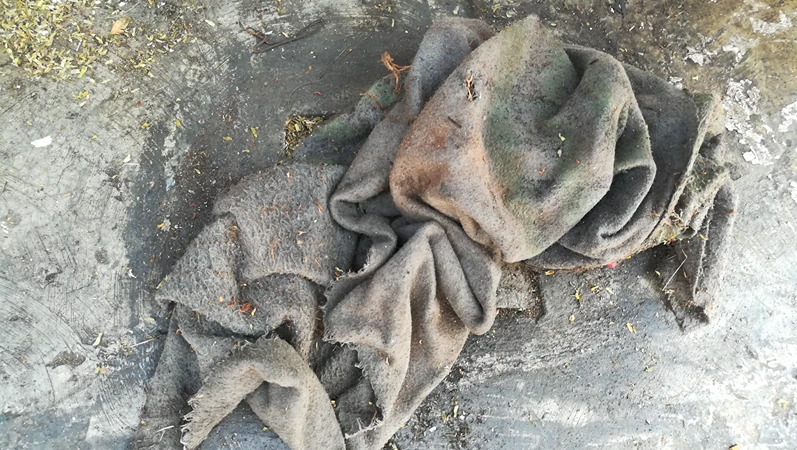
A set of mechanic uniforms soaked with motor oil was sent through a shared washer. The oil residue coated the drum and was not fully removed during standard cleaning cycles. Several loads afterward came out smelling like grease, forcing the laundry service to rewash customer clothing and temporarily shut down the machine. The result was lost time, added costs, and frustrated customers.
Common Customer Mistakes in Laundry Services See
Many people assume anything washable at home is safe for commercial machines. Items like mop heads, heavily soiled pet bedding, or cleaning rags used with chemicals often slip in unnoticed. These mistakes usually happen when customers rush or assume wash and fold laundry service includes deep decontamination, which it does not.
Items Commonly Rejected by Laundry Services
Laundromats rely on clear guidelines to protect equipment and customers. Here is a table showing different laundry items and their risk levels.
| Item Type | Risk Level | Reason for Restriction |
| Oil-soaked work clothes | High | Flammable residue and cross-contamination |
| Pet beds with heavy hair and odor | Medium to High | Drain clogs and sanitation concerns |
| Shoes with hard soles | Medium | Machine damage and imbalance |
| Rugs with rubber backing | High | Rubber breakdown and clogging |
| Delicate fabrics | Medium | High risk of damage |
| Chemical cleaning rags | High | Health and safety hazards |
What Happens When Restricted Items Are Sent Away
When prohibited items are discovered, laundry services may refuse the load, return items unwashed, or stop a cycle mid-process. In some cases, customers may be responsible for machine cleaning or repairs. These policies protect the wider community using the “laundry service near me” on any given day.
How to Know If an Item Is Safe for a Laundry Service
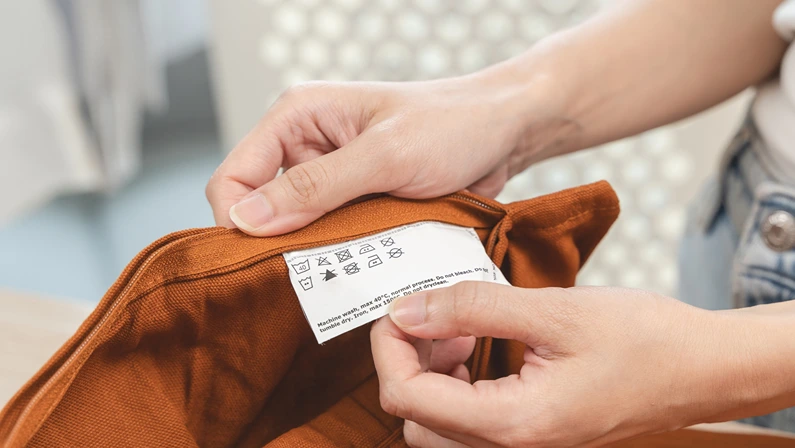
When in doubt, a quick check can prevent damage and disappointment.
Questions to Ask Before Sending Items to Laundry Service
Consider how the item was used, what substances it absorbed, and how fragile it is. If it contains chemicals, excessive grease, structural parts, or special fabric treatments, it likely needs an alternative cleaning method. Asking staff before starting a load is always better than assuming.
When to Choose Dry Cleaning or Specialty Cleaning Instead
Garments with structure, embellishments, or sensitive fibers benefit from professional dry cleaning. Industrial cleaning services are also better equipped for heavily contaminated workwear. A standard self service laundry or wash and fold laundry service is designed for everyday clothing, towels, and linens, not extreme conditions.
References (Laundry Safety and Commercial Cleaning Guidelines)
Commercial laundry standards and sanitation guidelines from textile care associations and equipment manufacturers consistently emphasize contamination control, machine protection, and public safety. These best practices shape laundromat policies nationwide.
Frequently Asked Questions
Laundry rules can feel unclear, especially when different items fall into gray areas. These common questions come up often at a laundry service and help clarify what is typically allowed, what may be restricted, and when it is best to ask before washing.
Can the laundry service wash clothes with stains?
Most laundry services can handle common stains like food, sweat, and dirt. Deep chemical, oil, or paint stains are often restricted due to contamination risk.
Are pet beds and blankets allowed in the laundry service?
Lightly used pet bedding is often accepted, but heavily soiled items with strong odor, hair buildup, or waste are commonly rejected. Always check first.
Can shoes be washed at a laundry service?
Soft fabric shoes may be allowed in some locations, but hard-soled or reinforced shoes are frequently restricted due to machine damage risk.
What should I do if I’m not sure about an item?
Ask the staff before washing or sending it through wash and fold. Clear communication prevents issues and protects everyone’s laundry.
A Smarter Way to Use Laundry Services in Arizona
Knowing what belongs in a laundry service helps avoid delays, damaged clothing, and unnecessary costs. A trusted laundromat in Arizona, like The Laundry Co, prioritizes clean machines, clear guidelines, and reliable service so customers can feel confident every visit. For everyday clothing, linens, and family laundry, choosing a professional location that values safety and transparency makes all the difference. Learn more or plan your next visit at The Laundry Co.