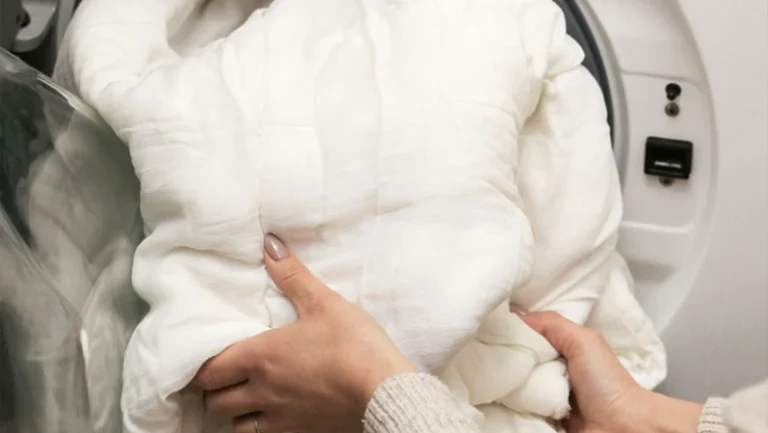

Ever pulled a favorite shirt out of the wash only to find it suddenly tighter, shorter, or just not the same fit anymore? It’s a common frustration, and the good news is that it’s preventable. Understanding how to prevent clothes from shrinking starts with knowing what causes it in the first place and making a few simple adjustments to your laundry routine.
Clothing shrinkage doesn’t just happen randomly. It’s usually the result of heat, agitation, or the wrong washing method for the fabric. Once the fibers contract, reversing the damage can be difficult. That’s why prevention matters so much.
This guide breaks down exactly why clothes shrink and what actually works to stop it. From washing techniques to drying habits, these tips help keep clothes looking and fitting the way they should.
Why Do Clothes Shrink in the Wash?

Shrinkage happens when fabric fibers tighten and contract. Several factors play a role, and most of them come down to heat and handling.
Heat and Fabric Contraction
Heat is the biggest reason clothes shrink. When exposed to hot water or high dryer temperatures, fibers tighten and lose their original shape. This is especially true for natural fabrics like cotton and wool.
Fabric Types That Shrink Easily
Some materials are more sensitive than others. Cotton, wool, and rayon are known for shrinking if not handled properly. Synthetic fabrics like polyester and nylon are more resistant, but they can still shrink under high heat.
Washing Machine and Dryer Factors
Agitation in the washing machine combined with heat from the dryer speeds up shrinkage. Overloading the machine or using the wrong cycle can also stress the fabric, making it more likely to shrink.
10 Proven Ways to Prevent Clothes from Shrinking
Preventing shrinkage doesn’t require complicated steps. Small changes in how laundry is handled can make a big difference.
1. Wash Clothes in Cold Water
Cold water is one of the simplest and most effective ways to prevent shrinking. It keeps fibers relaxed and helps maintain the original size of clothing.
2. Use the Gentle or Delicate Wash Cycle
Gentle cycles reduce agitation, which protects fabric structure. This is especially helpful for delicate or shrink-prone materials.
3. Read the Clothing Care Label First
Care labels provide specific instructions for each garment. Following them can prevent damage before it happens.
Common Laundry Symbols to Know
Symbols often indicate water temperature, drying method, and whether the item should be machine washed or hand washed. Taking a moment to check these details helps avoid mistakes.
4. Air Dry When Possible
Air drying is one of the safest methods for maintaining fabric size. Without heat, there’s less risk of fibers contracting.
5. Avoid High Heat in the Dryer
If using a dryer, stick to low or medium heat. High temperatures are one of the fastest ways to shrink clothes.
6. Turn Clothes Inside Out Before Washing
Turning garments inside out reduces friction and helps protect the outer fibers during the wash cycle.
7. Separate Laundry by Fabric Type
Mixing heavy and lightweight fabrics can cause uneven washing. Separating items helps maintain consistent care for each material.
8. Use a Mesh Laundry Bag for Delicates
Mesh bags add an extra layer of protection for delicate fabrics. They reduce stretching and friction during washing.
9. Choose the Right Laundry Detergent
Mild detergents are better for preserving fabric quality. Harsh chemicals can weaken fibers, making them more prone to shrinking.
10. Pre-Shrink or Pre-Wash New Clothes
New garments, especially cotton items, may shrink during the first wash. Pre-washing them before wearing helps control the process.
How to Unshrink Clothes (If They Already Shrunk)
Sometimes shrinkage still happens. While it’s not always reversible, certain methods can help restore the fit.
Fabric Relaxation Method
This method works best for cotton and similar fabrics. It helps loosen the fibers so the garment can be reshaped.
Step-by-Step Guide
Soak the clothing in lukewarm water with a small amount of conditioner or gentle soap. After soaking, gently stretch the fabric back to its original shape and lay it flat to dry.
When Clothes Cannot Be Restored
Severely shrunk items, especially those exposed to high heat, may not return to their original size. In these cases, prevention becomes even more important moving forward.
Best Washing Practices for Different Fabrics
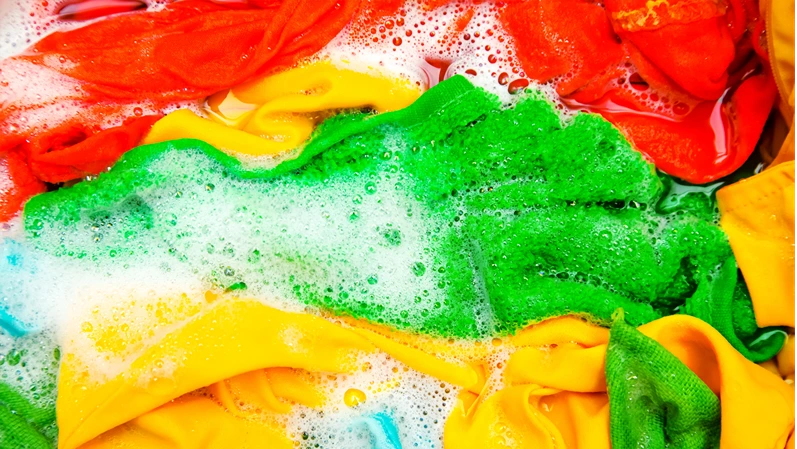
Different materials require different care approaches.
Cotton Clothing Care Tips
Cotton is comfortable but prone to shrinking. Washing in cold water and air drying helps maintain its shape.
Wool and Delicate Fabrics
Wool shrinks quickly under heat and agitation. Hand washing or using a delicate cycle is recommended.
Synthetic Fabrics (Polyester, Nylon, Spandex)
These fabrics are more durable but still benefit from low heat and gentle washing. Proper care extends their lifespan.
Laundry Mistakes That Cause Clothes to Shrink
Shrinkage often comes down to everyday habits that go unnoticed.
Using Hot Water by Default
Hot water may seem like a better cleaning option, but it increases the risk of shrinking, especially for natural fabrics.
Overloading the Washing Machine
Overloading reduces proper movement of clothes, leading to uneven washing and stress on fibers.
Leaving Clothes Too Long in the Dryer
Extended drying times expose clothing to unnecessary heat, increasing shrinkage.
Ignoring Fabric Care Instructions
Skipping care labels can lead to using the wrong settings for specific fabrics.
Quick Laundry Checklist to Prevent Shrinking
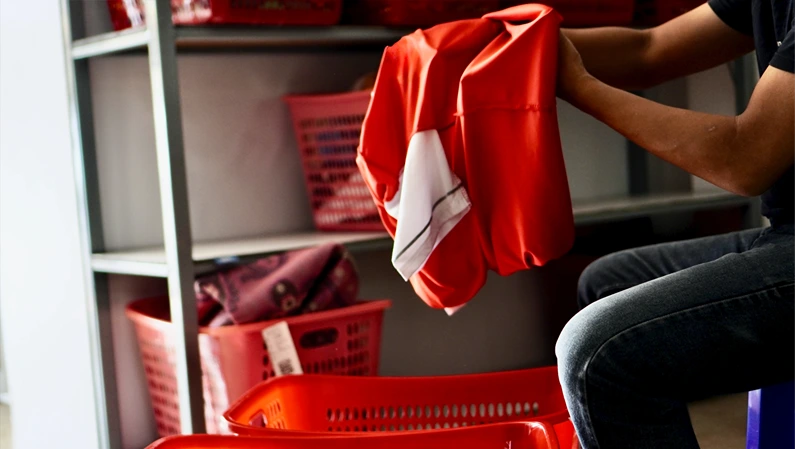
Keeping clothes from shrinking often comes down to simple habits done consistently. Small adjustments in washing and drying can protect fabric fibers and help garments maintain their original fit over time. Instead of guessing each time laundry is done, having a quick checklist makes the process easier and more reliable.
For those who prefer a more convenient option, professional services like The Laundry Co AZ help take the guesswork out of fabric care. With proper handling, controlled washing conditions, and the right drying methods, clothes come back clean while maintaining their shape and quality.
- Use cold water for most loads to prevent fiber contraction
- Select gentle or delicate cycles to reduce stress on fabrics
- Avoid high heat in the dryer to minimize shrinkage
- Air dry when possible to preserve size and structure
- Separate fabrics before washing to avoid damage
- Check care labels every time for proper instructions
Frequently Asked Questions
What causes clothes to shrink in the wash?
Shrinkage is caused by heat, moisture, and agitation, which cause fibers to contract.
Can cold water prevent clothes from shrinking?
Yes. Cold water helps maintain fiber structure and reduces shrinkage.
Does the dryer cause clothes to shrink?
Yes. High dryer heat is one of the main reasons clothes shrink.
Which fabrics shrink the most?
Cotton, wool, and rayon are the most likely to shrink.
Can you fix clothes that have already shrunk?
Some fabrics can be stretched back using soaking methods, but results vary depending on the material.