Workout clothes can come out of the wash looking clean and still smell like yesterday’s workout. The problem usually comes down to trapped sweat, body oils, detergent buildup, and the way synthetic fabrics hold onto odor.
Knowing how to wash workout clothes properly can make a big difference in how fresh they smell and how long they last.
Not sure how to properly do it? This guide covers how to wash gym clothes, how to remove sweat smell from clothes, and the best way to wash workout clothes without making laundry more complicated than it needs to be.
How to Wash Workout Clothes Without Trapping Sweat and Odors
The basic routine is simple: air them out, turn them inside out, use enough detergent without overdoing it, and avoid heat that can damage stretchy fabrics. Here’s how to handle sweaty activewear from start to finish.
Step 1: Let Sweaty Workout Clothes Air Out
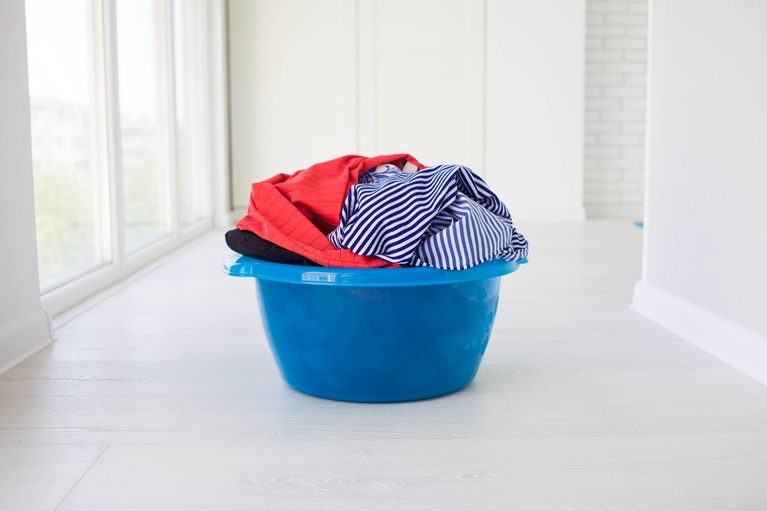
The worst place for damp gym clothes is crumpled at the bottom of a laundry basket.
If they cannot be washed right away, hang them up and let them dry first. This helps reduce the damp environment that makes odors harder to deal with later.
Step 2: Turn Workout Clothes Inside Out Before Washing
Most of the sweat, body oil, and deodorant buildup sits on the inside of the garment.
Turning workout clothes inside out gives detergent and water better access to those areas. It also helps protect logos, prints, and exterior finishes during the wash.
Step 3: Separate Workout Clothes From Heavy Laundry
Activewear usually does better when it is washed with similar lightweight fabrics.
Avoid mixing it with rough items such as towels, jeans, or clothing with heavy zippers and hardware. Those heavier pieces can create extra friction and may stretch or wear down delicate performance fabrics.
Step 4: Pre-Treat Areas With Heavy Sweat and Odor
Armpits, waistbands, sports bra bands, collars, and other high-sweat areas may need a little extra attention.
Apply a small amount of suitable laundry detergent or stain treatment directly to the area and let it sit according to the product instructions before washing. This can help break down sweat, deodorant, and body oil buildup.
Step 5: Use the Right Amount of Laundry Detergent
More detergent does not mean cleaner clothes.
Too much detergent can leave residue behind, especially in synthetic fabrics. That residue can trap oils and odors instead of rinsing them away.
Follow the detergent label and washing machine instructions rather than adding extra product because the clothes smell strong.
Step 6: Choose the Right Washing Machine Cycle
Most activewear does well with a gentle or normal cycle in cool or warm water, depending on the care label.
High heat can be rough on elastic, spandex, and moisture-wicking finishes. Always check the garment label first, especially for leggings, compression pieces, and sports bras.
Step 7: Dry Workout Clothes Properly
Air drying is often the safest option for performance fabrics.
High dryer heat can weaken elastic and affect stretchy materials over time. If machine drying is allowed, use the temperature recommended on the care label and avoid leaving clothes in a hot dryer longer than necessary.
Why Do Workout Clothes Still Smell After Washing?
Workout clothes can still smell after washing when sweat, oils, or detergent residue remain trapped in the fabric. Synthetic materials can make the problem more noticeable because they behave differently from natural fibers.
Sweat, Body Oils, and Bacteria Can Build Up in Fabric
Sweat itself is not the only issue. Skin oils, deodorant, dead skin, and microbes can all collect in fabric during a workout.
If those materials are not fully removed during washing, the odor may come back as soon as the clothes warm up again.
Synthetic Workout Fabrics Can Hold Onto Odors
Polyester and other synthetic materials are popular in activewear because they dry quickly and handle sweat well during exercise.
The downside is that oily residues can cling to synthetic fibers. This is one reason how to wash activewear can be a little different from washing a basic cotton T-shirt.
Too Much Detergent Can Make the Problem Worse
Extra detergent can leave a coating on fabric if it does not rinse out completely.
That buildup can hold onto odor-causing residue. If workout clothes smell worse over time even after frequent washing, reducing detergent and checking the rinse process may help.
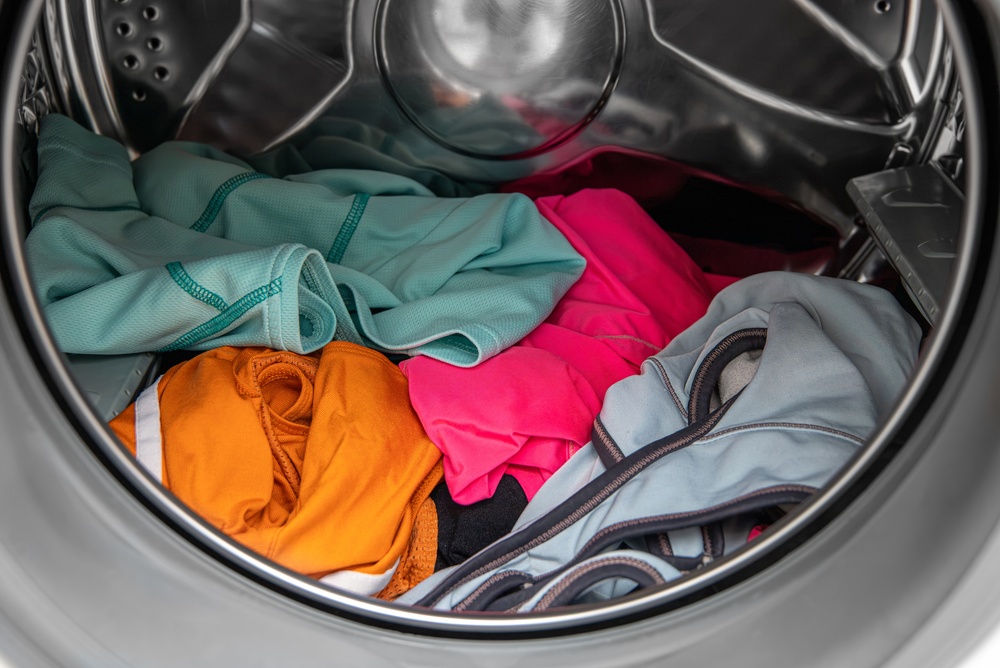
How to Get Smell Out of Workout Clothes
If the smell has already settled in, the goal is to remove the buildup instead of simply covering it with fragrance.
Pre-Treat Sweat and Odor-Prone Areas
Start with the areas that hold the most sweat.
A small amount of detergent or a laundry product made for odor treatment can help loosen buildup before the main wash. Follow the product directions and check the garment care label first.
Avoid Letting Sweaty Clothes Sit for Too Long
Sweaty clothes get much harder to freshen when they stay damp for hours or days.
If washing them right away is not realistic, at least let them air out. This is one of the simplest answers to how to get smell out of workout clothes before odor becomes deeply set.
Make Sure Your Washing Machine Is Clean
Sometimes the clothes are not the only problem.
A washer with detergent residue, mildew, or buildup can transfer unpleasant smells back to laundry. Clean the machine according to the manufacturer’s instructions and leave the door or lid open between loads when appropriate so the interior can dry.
Best Way to Wash Workout Clothes by Fabric Type
Not every workout outfit should be treated exactly the same. Fabric type matters because heat, agitation, and detergent can affect performance materials differently.
Polyester and Moisture-Wicking Shirts
Wash moisture-wicking polyester inside out with similar lightweight fabrics.
Cool or warm water is usually enough, depending on the care label. Avoid products that leave heavy coatings on the fabric, especially if the garment relies on moisture-wicking performance.
Spandex, Leggings, and Compression Clothing
Stretchy fabrics need gentler treatment.
Use a gentle cycle when appropriate and avoid high heat during drying. Too much heat can weaken elastic fibers and shorten the life of leggings and compression garments.
Sports Bras
Sports bras can lose shape quickly if they are treated roughly.
Wash them in a garment bag if needed, close hooks before washing, and air dry when the care label allows. This can help protect straps, elastic, and molded areas.
Cotton Workout Clothes
Cotton is usually easier to wash, but it can stay damp longer than synthetic activewear.
Follow the garment label and avoid leaving wet cotton clothes sitting in the washer after the cycle ends. Move them to the dryer or drying rack promptly.
Common Mistakes to Avoid When Washing Workout Clothes
Most workout laundry problems come from a few simple habits. Avoiding these mistakes can help clothes smell better and last longer.
- Leaving sweaty clothes balled up. Damp clothing needs air before wash day.
- Using too much detergent. Extra detergent can leave residue behind.
- Skipping the care label. Activewear blends vary, so washing instructions matter.
- Using high heat automatically. Heat can damage elastic and stretchy fibers.
- Mixing activewear with heavy towels and jeans. Rough fabrics can create more wear.
- Using fabric softener without checking compatibility. Some fabric softeners can leave coatings that interfere with moisture-wicking fabrics.
- Forgetting to clean the washer. A dirty machine can send odors right back into clean laundry.
- Waiting too long between washes. Sweat and oils get harder to remove once they sit.
When Should You Replace Workout Clothes?
Even the best laundry routine cannot make activewear last forever. Workout clothes may be ready for replacement when the fabric stays stretched out, elastic no longer recovers, seams are breaking down, or odor remains even after proper washing.
If leggings no longer stay in place, a sports bra has lost support, or moisture-wicking shirts feel permanently coated, the fabric may simply be worn out.
Make Workout Laundry Easier With a Professional Laundry Service
Gym clothes can pile up fast, especially for anyone who works out several times a week. Keeping up with washing, drying, and folding another load is not always the most exciting part of staying active.
The Laundry Co AZ can take that routine off the weekly to-do list with convenient laundry services for everyday clothes, activewear, and more. If workout clothes keep taking over the hamper, let The Laundry Co AZ handle the laundry so there is more time for the actual workout.
Frequently Asked Questions
What Is the Best Way to Wash Workout Clothes?
The best way to wash workout clothes is to air out sweaty items first, turn them inside out, wash them with similar lightweight fabrics, use the recommended amount of detergent, and follow the care label for water temperature and drying.
How Do You Get Sweat Smell Out of Workout Clothes?
For anyone wondering how to remove sweat smell from clothes, start by airing them out quickly, pre-treating heavily affected areas, washing with the correct amount of detergent, and making sure the washer itself is clean.
Should Workout Clothes Be Washed After Every Workout?
Workout clothes that become sweaty should generally be washed before they are worn again. This helps remove body oils, sweat, and odor buildup before it gets harder to clean.
Can You Wash Workout Clothes With Regular Clothes?
Yes, but lightweight workout clothes usually do better with similar fabrics. Heavy towels, denim, rough materials, and clothing with hardware can create extra friction and may wear down delicate activewear.
Should You Use Fabric Softener on Workout Clothes?
Usually, it is better to avoid fabric softener on moisture-wicking activewear unless the garment or product instructions say otherwise. Some softeners leave a coating on synthetic fibers that can affect how the fabric handles moisture and odors.