Knowing how to keep white clothes bright comes down to more than adding bleach to every load. The way whites are sorted, washed, treated, dried, and stored can all affect their color and fabric over time. A few changes to the laundry routine can help keep white clothes looking fresh without being too harsh on them.
Here’s how to care for whites from wash day to storage.
Why Do White Clothes Lose Their Brightness?
White clothing can gradually become gray, dull, or yellow even when it is washed regularly. In many cases, the problem comes from residue, stains, color transfer, or the way the clothes are washed and stored.
Understanding the cause makes it easier to choose the right solution.
Detergent and Fabric Softener Buildup
Using extra detergent does not necessarily mean cleaner whites. If the washer cannot rinse it away completely, detergent and fabric softener can leave residue behind.
Body Oils, Sweat, and Everyday Stains
Sweat, natural body oils, deodorant, makeup, and skincare products can gradually discolor fabric. Collars, cuffs, and underarms are especially likely to show yellowing.
Washing Whites With Colored Clothing
Even light-colored clothing can release small amounts of dye during a wash. Repeated exposure can slowly give white clothes a gray or dingy appearance.
Hard Water and Mineral Deposits
Hard water contains minerals that can interfere with detergent and leave deposits on fabric. Clothes may feel stiff or look dull even after washing.
If hard water is a regular problem, adjusting the detergent or using a laundry product made for hard-water conditions may help.
Improper Drying and Storage
Heat can set some stains, while storing clothes before they are completely dry can contribute to discoloration, odors, or mildew.
Long-term storage also matters. Moisture, heat, and certain storage materials can cause white clothing to yellow over time.
Once the cause is clear, keeping whites bright starts with how they are washed.
How to Keep White Clothes Bright: Step-by-Step Washing Guide
Learning how to wash white clothes properly can prevent many of the problems that lead to dullness and yellowing. The process starts before the clothes even reach the washing machine.
Step 1: Separate White Clothes Before Washing
Wash true whites separately from colored clothing whenever possible. Even pale colors can release dye that gradually changes the appearance of white fabric.
It can also help to separate heavily soiled whites from lightly worn items.
Step 2: Check the Fabric Care Label
White does not mean every garment can handle the same treatment. Cotton, linen, polyester, blends, and delicate fabrics may require different temperatures, cycles, and drying methods.
Always check the care label before using hot water, bleach, stain removers, or other treatments.
Step 3: Pre-Treat Stains Before Washing
Treat visible stains before putting the garment into the washer. The right treatment will depend on what caused the stain and what the fabric can safely handle.
Give the stain remover enough time to work according to its instructions, but avoid letting products dry on the fabric unless the label specifically allows it.
Step 4: Choose the Best Detergent for White Clothes
The best detergent for white clothes is one that cleans effectively without leaving excess residue and is appropriate for the fabric and washing machine.
Some detergents contain enzymes or optical brighteners that can help with everyday soil and stains. Follow the recommended amount rather than assuming more detergent will clean better.
Step 5: Choose the Correct Water Temperature
Hot water is not automatically better for whites. Some durable cotton items may tolerate warmer temperatures, while synthetics and delicate fabrics often require cooler water.
The care label should always guide the decision.
Step 6: Avoid Overloading the Washing Machine
Clothes need enough room to move so water and detergent can circulate properly. An overloaded washer can make it harder to remove dirt, body oils, and detergent.
Leaving enough space also helps the rinse cycle do its job.
Step 7: Use the Correct Wash Cycle
Match the wash cycle to the fabric and soil level. Durable everyday whites may handle a normal cycle, while lightweight or delicate pieces may need a gentler setting.
With the washing basics covered, stubborn dullness may need a little extra help.
Read more: How to Remove Tough Stains: A Practical Guide That Actually Works
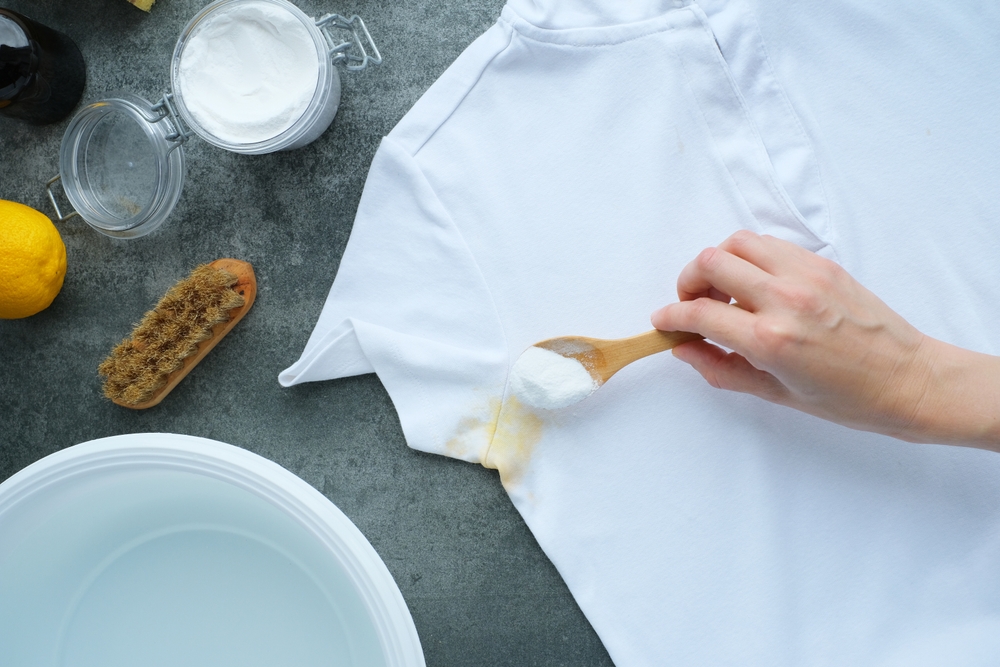
How to Whiten Clothes Without Bleach
Chlorine bleach is not appropriate for every white garment. Some fabrics can weaken, discolor, or yellow after repeated exposure.
Fortunately, there are other ways to brighten whites.
Use Oxygen-Based Bleach for Suitable Fabrics
Oxygen-based bleach can help lift stains and brighten many washable white fabrics without the same bleaching action as chlorine bleach.
Check both the garment care label and product directions first, especially when treating delicate materials.
Try Baking Soda During the Wash
Baking soda is sometimes used as a laundry booster to help with odors and washing performance. It can be added to compatible loads according to the washing machine and detergent instructions.
It should still be treated as a supplement to proper washing rather than a replacement for detergent.
Use White Vinegar During the Rinse Cycle
White vinegar may help remove some detergent residue and odors when used appropriately in the rinse cycle.
Never combine vinegar with chlorine bleach, as the mixture can release dangerous chlorine gas. Washer manufacturer instructions should also be checked before adding vinegar.
Soak Dingy White Clothes Before Washing
Some washable whites may benefit from soaking in an appropriate oxygen-based whitening solution before going into the machine.
Follow the product’s dilution and soaking instructions, and make sure the garment is suitable for soaking first.
Take Advantage of Sunlight When Appropriate
Sun drying can help some washable white fabrics look brighter while reducing the need for high dryer heat.
However, prolonged sun exposure can weaken or fade certain materials, so this method is better suited to fabrics that can safely handle it.
How to Remove Yellow Stains From White Clothes
Knowing how to remove yellow stains from white clothes starts with figuring out what caused them. Sweat stains, stored clothing, food, and grease all require slightly different approaches.
Yellow Underarm Stains
Underarm yellowing can develop from a combination of sweat, body oils, and product residue.
Pre-treat the area with a stain remover suitable for the fabric, gently work it into the stain if the care instructions allow, and wash before the discoloration has time to build up further.
Yellowing From Long-Term Storage
White clothing can yellow in storage when residual oils, detergent, moisture, or environmental conditions affect the fabric.
Wash the garment according to its care label and consider an oxygen-based soak if the material permits it.
Food and Drink Stains
Treat spills as soon as possible. Blot excess liquid rather than rubbing it deeper into the fibers, then use a stain treatment appropriate for both the stain and fabric.
Check that the stain is gone before using the dryer.
Oil and Grease Stains
Grease needs to be broken down before the garment is washed. A suitable pre-treatment or detergent can help lift oil from washable fabrics.
Avoid drying the item until the stain has been removed, since heat can make some stains harder to treat.
Preventing discoloration in the first place is usually much easier than trying to reverse it later.
How to Prevent White Clothes From Turning Yellow
Learning how to prevent white clothes from turning yellow mostly comes down to removing residue and storing garments properly.
Wash White Clothes Regularly
Body oils and sweat can remain on clothing even when they are not immediately visible. Washing whites before storing them helps prevent those residues from sitting on the fabric for long periods.
Avoid Using Too Much Detergent
Follow the detergent instructions for the load size, soil level, and water conditions. Excess detergent can be difficult to rinse away and may leave fabric looking dull.
Make Sure Clothes Are Completely Dry Before Storage
Even a little remaining moisture can cause problems during storage. Let white garments dry completely before folding or hanging them away.
Store White Clothing in a Cool, Dry Place
Choose a storage area away from excess heat, humidity, and direct sunlight. Clean, dry storage helps protect both the fabric and its appearance.
Avoid Long-Term Storage in Plastic Bags
Some plastic storage materials can trap moisture or affect fabrics over long periods. Breathable garment bags or acid-free storage materials may be more appropriate for delicate or valuable pieces.
Good habits help, but a few common laundry mistakes can quickly undo them.
Common Mistakes When Washing White Clothes
Many problems with white laundry come from trying to clean it too aggressively or treating every white garment the same way.
Using Too Much Chlorine Bleach
Repeated or excessive chlorine bleach can weaken certain fibers and may contribute to yellowing in some fabrics. Use it only when the care label and bleach instructions indicate that it is safe.
Mixing Whites With Light-Colored Clothes
A pale shirt may seem safe to wash with whites, but small amounts of dye can still transfer. True whites are generally better washed separately.
Ignoring Stains Until Laundry Day
The longer many stains sit, the harder they become to remove. Treat spills and visible marks as soon as practical.
Using Too Much Fabric Softener
Excess fabric softener can leave residue on fibers. Follow product directions and avoid using it on materials where the care instructions advise against it.
Drying Clothes Before Checking for Remaining Stains
Always check stained areas after washing. Dryer heat can make certain stains harder to remove once they have been set.
Using the Same Washing Method for Every Fabric
A sturdy cotton T-shirt and a delicate white blouse may look similar in color, but they can require very different care. Fabric type should guide the washing method.
Read more: The Ultimate Guide to Sorting Laundry: Colors, Fabrics & Care Labels
Laundry Tips for White Clothes Based on Fabric Type
The safest way to keep white clothes white is to work with the fabric rather than relying on one whitening method for everything.
Cotton White Clothes
Many cotton whites can tolerate regular washing and, depending on the care label, warmer water. Cotton can still shrink or weaken with excessive heat or harsh chemicals, so care instructions remain important.
White Linen
Linen benefits from gentle handling and enough room in the washer. Avoid unnecessarily harsh treatments that can damage the fibers, and follow the garment label for temperature and drying instructions.
White Polyester and Synthetic Fabrics
Synthetic whites may hold onto body oils and can be sensitive to excessive heat. A detergent that works well on oily residue and the appropriate water temperature can help keep them looking cleaner.
Delicate White Fabrics
Silk, lace, embellished garments, and other delicate materials may require hand washing or professional cleaning.
Aggressive stain treatments and whitening products can damage these fabrics, so checking the label becomes especially important.
When Should White Clothes Be Professionally Cleaned?
Professional cleaning may be worth considering when the garment is delicate, expensive, heavily stained, or labeled dry-clean only. It can also help when the source of a stain is unclear or previous attempts to remove it have not worked.
Trying several strong treatments at home can sometimes do more harm than the original stain. When the fabric requires special handling, professional care can be the safer option.
How Professional Laundry Services Help Keep White Clothes Bright
Keeping whites bright takes a little more care than tossing everything into one load. Professional laundry services can handle the sorting, stain treatment, washing, and drying based on what each item needs.
Proper Sorting and Fabric Assessment
Whites can be sorted by fabric type, soil level, and care requirements before washing. This helps prevent delicate pieces from receiving the same treatment as heavier everyday items.
Professional Stain Treatment
Different stains respond to different treatments. Identifying the stain and fabric first can help reduce unnecessary scrubbing or harsh chemical use.
Controlled Washing and Drying
Water temperature, wash cycles, detergent, and drying methods can all be adjusted to suit the garment. This can help clean whites while limiting unnecessary wear.
Convenient Care for Delicate and High-Value Whites
For whites that need extra attention, professional cleaning can take some of the guesswork out of laundry day.
The Laundry Co AZ can help keep everyday whites, delicate garments, and harder-to-clean pieces looking fresh without putting the fabric through unnecessary wear. Drop by with your laundry or schedule a pickup and let the team handle the sorting, washing, and stain care for you.
Frequently Asked Questions About Keeping White Clothes Bright
How can I keep white clothes bright after repeated washing?
Separate whites from colored clothing, treat stains early, use the correct amount of detergent, follow the garment’s recommended water temperature, and avoid overloading the washer. Proper drying and storage can also help prevent dullness and yellowing.
What is the best way to wash white clothes?
The best way to wash white clothes is to separate them from colors, check the care labels, pre-treat stains, use an appropriate detergent, and choose the correct water temperature and cycle for the fabric. Avoid using excessive detergent or bleach.
How do I whiten clothes without using bleach?
Depending on the fabric, oxygen-based bleach, proper soaking, and thorough washing can help brighten white clothes without chlorine bleach. Baking soda or white vinegar may also be useful in some laundry routines when used correctly and separately from chlorine bleach.
Can baking soda help keep white clothes white?
Baking soda can be used as a laundry booster and may help with odors and washing performance. It will not replace proper detergent, stain treatment, sorting, and fabric care.
Should white clothes be washed in hot or cold water?
The right temperature depends on the fabric and care label. Some durable whites can tolerate warm or hot water, while synthetics and delicate materials may require cooler temperatures. White clothing should not automatically be washed in hot water simply because of its color.