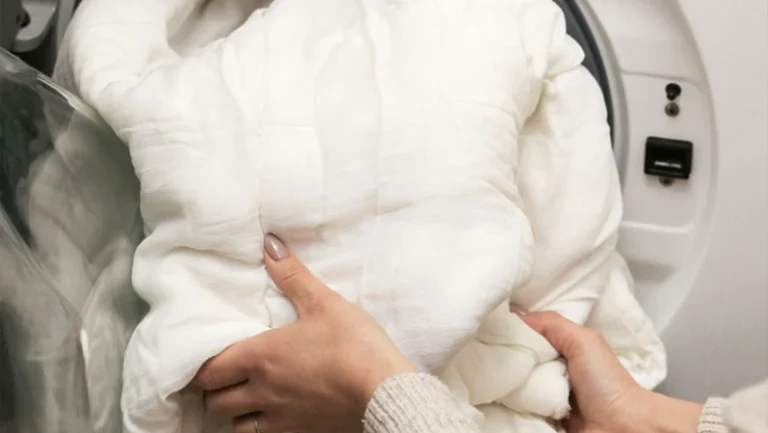
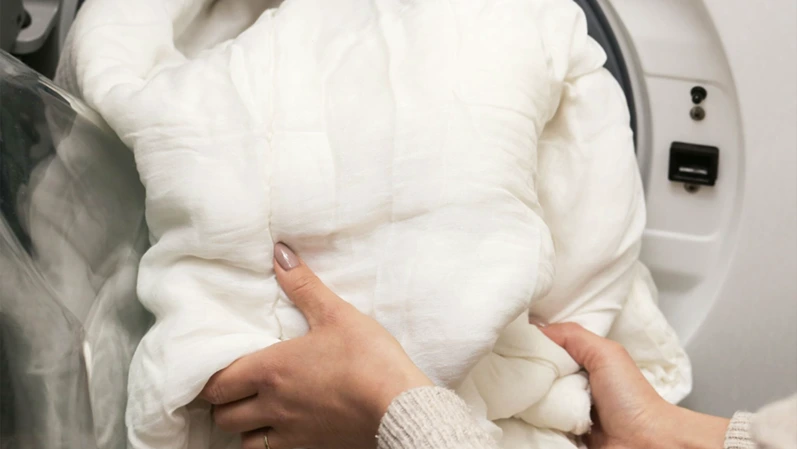
Learning how to wash comforters, blankets, and beddings properly can make a huge difference in how long they last. Bulky bedding is heavier, thicker, and more delicate than everyday laundry, so it needs a little extra care. Washing it the wrong way can lead to clumping, shrinking, fading, torn seams, or damage to the filling.
The good news is that keeping your comforters, blankets, and bulky bedding clean does not have to be difficult. With the right washer, detergent, temperature, and drying method, you can keep bedding fresh, soft, and in great shape.
These comforter washing tips and bedding laundry tips will help you wash large comforters, blankets, and bulky bedding safely without damaging them.
Why Bulky Bedding Needs Special Care
Bulky bedding may seem simple to wash, but it behaves very differently from regular clothing or towels.
How Comforters, Blankets, And Duvets Differ From Regular Laundry
Comforters, duvets, and heavy blankets are much larger and thicker than regular laundry. Many of them also contain delicate filling, stitching, or special fabric that can be damaged in a normal wash cycle.
A comforter filled with down, for example, needs very different care than a fleece blanket or a weighted blanket.
Common Reasons Bulky Bedding Gets Damaged In The Wash
Most bedding damage happens because of one of these common mistakes:
- Using a washer that is too small
- Washing several bulky items together
- Using too much detergent
- Washing with high heat
- Drying before the bedding is fully rinsed
When bulky bedding does not have enough room to move in the washer, the filling can bunch up and the fabric can become stretched or damaged.
Why Proper Washing Helps Bedding Last Longer
Proper bulky bedding care helps protect the fabric, preserve the filling, and keep bedding looking and feeling fresh. Washing your bedding correctly can also help reduce allergens, dust, odors, and bacteria.
Check The Care Label Before Washing
Before you wash anything, always start with the care label.
What Laundry Symbols Mean For Comforters And Blankets
The symbols on the label tell you if the item can be machine washed, hand washed, dried in the dryer, or dry cleaned.
Common symbols may indicate:
- Cold or warm water only
- Gentle cycle
- No bleach
- Low heat drying
- Dry clean only
When To Machine Wash, Hand Wash, Or Dry Clean
Many cotton, fleece, and synthetic blankets can be machine washed. Delicate materials like wool, silk, and some down-filled comforters may need hand washing or dry cleaning.
If the label says dry clean only, it is best not to risk machine washing it.
How Fabric Type Affects Washing Methods
Different materials need different care. Cotton can usually handle more frequent washing, while wool and down need gentler handling.
Knowing the fabric type is one of the most important parts of learning how to clean comforters and blankets safely.
Sort Bedding By Material, Size, And Fill
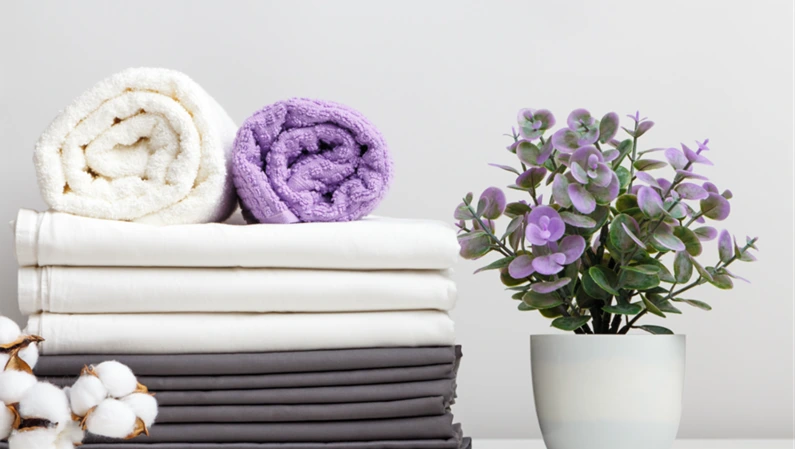
Bulky bedding should never all be washed together in one load.
How To Separate Down, Cotton, Wool, Fleece, And Synthetic Bedding
Different materials absorb water differently and need different wash settings. For example, a down comforter should not be washed with a heavy cotton blanket or a wool throw.
Try to wash similar materials together whenever possible.
Why Washing Heavy Items Together Can Cause Damage
Washing several heavy items together can make the washer unbalanced. It can also cause bedding to twist together, stretch, or pull at the seams.
How To Avoid Overloading The Washer
Your bedding should have enough room to move freely in the washer. If the drum looks packed or tightly stuffed, the load is too large.
A comforter or blanket that cannot move around properly will not wash or rinse evenly.
Pre-Treat Stains And Spots Before Washing
Large bedding items often collect stains slowly over time.
How To Handle Sweat, Pet Hair, And Body Oil Buildup
Comforters and blankets often collect sweat, oils, dust, and pet hair. Before washing, shake the bedding outside if possible and remove excess pet hair with a lint roller or vacuum attachment.
The Best Way To Treat Food, Drink, And Dirt Stains
For stains, apply a small amount of mild detergent or stain remover directly to the spot and let it sit for a few minutes before washing.
Gently blot the area instead of scrubbing hard, especially on delicate fabrics.
Why Gentle Stain Removal Protects Fabric And Fill
Harsh scrubbing can damage fabric and cause the filling inside a comforter to shift or bunch. A gentle approach is much safer.
Choose The Right Washer And Laundry Setting
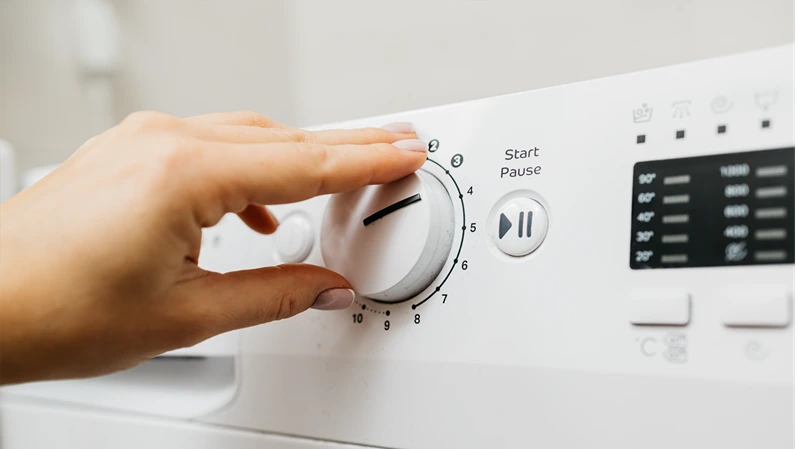
The right machine and settings can make a big difference when you wash large comforters and blankets.
Why Large-Capacity Washers Work Best For Bulky Bedding
Large-capacity washers are usually the safest choice because they give bulky bedding enough room to move. A washer that is too small can put too much strain on the seams and filling.
Which Water Temperature Is Safest For Different Fabrics
Cold or warm water is usually best for most bedding. Hot water can shrink delicate fabrics and damage filling.
As a general guide:
- Cold water works well for down, wool, and delicate fabrics
- Warm water is usually safe for cotton and synthetic bedding
- Hot water should only be used if the care label specifically allows it
How Gentle Cycles Help Protect Stitching And Filling
A gentle wash for bedding is almost always the safest option. Gentle cycles use slower movement and less agitation, which helps protect stitching and prevent the filling from shifting.
Use The Right Detergent For Comforters And Blankets
The detergent you use matters just as much as the wash cycle.
Why Mild Detergent Is Better For Delicate Bedding
A mild detergent cleans bedding without damaging delicate fabric or filling. Harsh detergents can make blankets feel rough or wear out comforters faster.
How Too Much Soap Can Leave Residue Behind
It can be tempting to use extra detergent for large loads, but too much soap often stays trapped inside bulky bedding. This can leave the comforter feeling stiff or sticky.
Using a small amount of detergent usually works better.
When To Avoid Bleach And Harsh Fabric Products
Bleach, strong fabric softeners, and harsh stain removers can damage certain materials and weaken the fibers.
Avoid these products unless the care label clearly says they are safe.
How To Wash Comforters Without Ruining The Fill
Comforters need extra attention because the filling inside can shift or clump.
Steps For Washing Down And Down-Alternative Comforters
Wash down and down-alternative comforters separately in a large-capacity washer using a gentle cycle and mild detergent.
How To Keep Filling From Clumping Or Shifting
The best way to keep filling even is to wash the comforter by itself and avoid overcrowding the machine.
When To Rewash For Better Rinsing And Freshness
If the comforter still feels heavy, soapy, or uneven after washing, running an extra rinse cycle can help remove leftover detergent.
How To Wash Blankets And Heavy Bedding Safely
Different blankets need different care.
Best Practices For Fleece, Wool, Weighted, And Electric Blankets
Fleece blankets usually do best in cold water on a gentle cycle. Wool blankets often need hand washing or dry cleaning. Weighted and electric blankets may have special instructions and should always be checked carefully before washing.
How To Protect Soft Textures And Fabric Finish
Gentle washing and low heat help keep blankets soft. High heat can make fleece rough and can shrink wool.
Mistakes To Avoid With Thick Or Oversized Bedding
One of the biggest mistakes is trying to force a large blanket into a small machine. Oversized bedding often needs a larger washer.
Dry Bulky Bedding Thoroughly To Prevent Odors And Damage
Drying is just as important as washing.
How To Tumble Dry Comforters And Blankets The Right Way
Dry comforters and blankets on low heat. High heat can damage fabric and shrink the filling.
Why Dryer Balls Help Fluff Bedding And Reduce Clumping
Dryer balls help keep comforters fluffy by separating the filling as it dries. They can also reduce drying time.
How To Air Dry Large Bedding When Needed
If you do not want to use a dryer, hang bedding in a well-ventilated area. Make sure it dries completely before storing it.
Avoid Common Bulky Bedding Laundry Mistakes
A few common mistakes can shorten the life of your bedding.
Washing Too Often Or Not Often Enough
Washing bedding too often can wear it out. Not washing it enough can lead to odor and buildup.
Using High Heat On Delicate Materials
High heat is one of the fastest ways to damage comforters and blankets.
Storing Bedding Before It Is Fully Dry
Even slightly damp bedding can develop mildew or unpleasant smells.
Know When To Use A Laundromat For Large Bedding
Sometimes bulky bedding is simply too large for a home machine.
Why Commercial Washers Are Better For Oversized Loads
Commercial machines give bedding more room to move, rinse, and dry evenly.
Which Bedding Items Are Easier To Clean In A Large-Capacity Machine
King-size comforters, heavy blankets, duvet inserts, and oversized bedding are often much easier to wash in a laundromat for comforters.
How Professional Laundry Equipment Helps Protect Bulky Items
Professional equipment is designed for larger loads and can clean bulky bedding more gently and effectively.
The Laundry Co offers large-capacity machines that make it easier to wash large comforters, blankets, and bedding without damaging them. If your home washer is too small, visit us now or book to schedule a pickup and let us help keep your bedding clean, soft, and fresh.
Keep Comforters And Blankets Fresh Between Washes
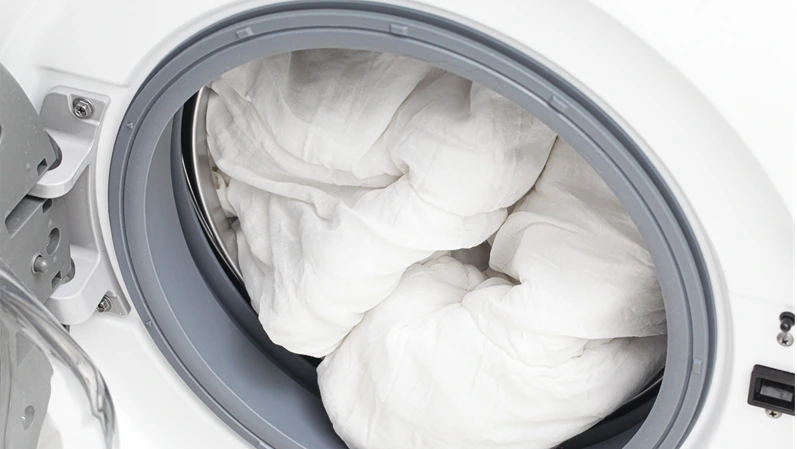
You do not always need to wash bulky bedding completely to keep it fresh.
How To Reduce Dust, Allergens, And Odors At Home
Shaking out bedding, airing it outside, and using a duvet cover can help reduce buildup.
When To Spot Clean Instead Of Fully Washing
Small stains and spills can often be cleaned with spot treatment instead of washing the entire item.
Simple Storage Tips For Seasonal Bedding
Store seasonal bedding in a cool, dry place. Use breathable storage bags instead of plastic whenever possible.
FAQs About Washing Comforters, Blankets, And Bulky Bedding
Washing bulky bedding can be confusing, especially if you are worried about damaging it. Here are some common questions.
How Often Should You Wash Comforters And Blankets?
Most comforters and blankets should be washed every few months, depending on how often they are used.
Can You Wash A King-Size Comforter In A Regular Washing Machine?
Usually not. Most king-size comforters need a larger-capacity machine.
Should You Wash Bulky Bedding In Hot Or Cold Water?
Cold or warm water is usually safest for bulky bedding.
How Do You Dry A Comforter Without It Clumping?
Use low heat and dryer balls to help keep the filling evenly distributed.
Can You Put Wool Blankets In The Washing Machine?
Some wool blankets can be machine washed on a gentle cycle, but many should be hand washed or dry cleaned. Always check the care label first.
References
- The Spruce — What Are Dryer Balls and How Do They Work?
- Orvile’s Home Appliances — Why Your Washing Machine Is Off Balance & How to Fix It
- Tide — How to Wash Different Fabrics & Colors